One of the most common excuses I hear is "I can't make it to the gym." Fair enough. Life gets busy. But that excuse disappears when the gym is ten steps from your bedroom. You don't need a commercial facility to get results. You need the right equipment for your goals and your budget.
I've trained clients in 500-square-foot apartments and in dedicated garage setups that rival commercial gyms. Both can work. The key is buying smart, buying once, and knowing what actually matters versus what looks cool on Instagram.
The $200 Starter Setup
If you're working with a tight budget, here's the truth: you can build serious muscle and burn significant fat with almost nothing. This is where most people should start, especially if you're new to training or coming back after a long break.
Essential starter kit:
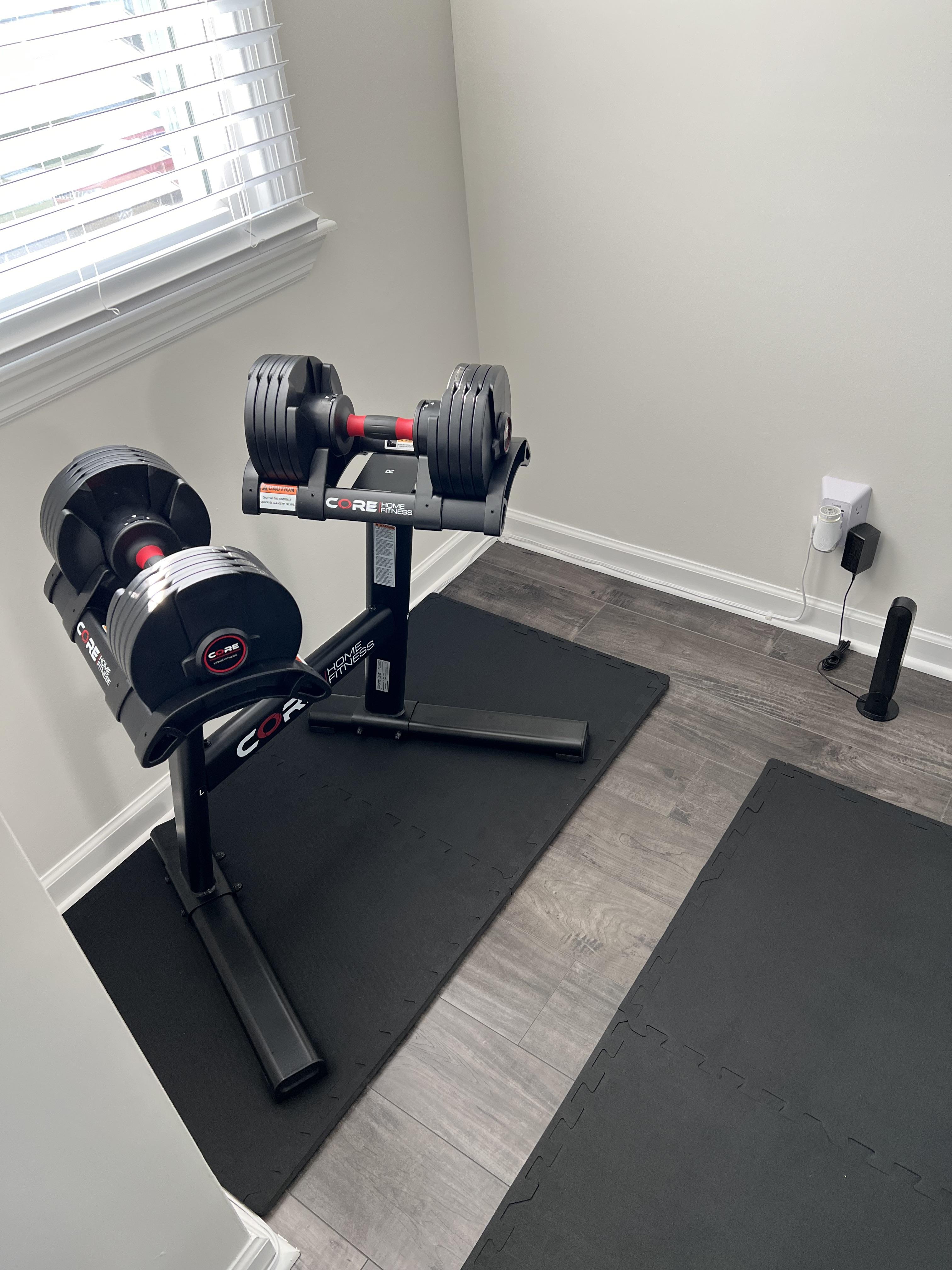
A set of adjustable dumbbells (or 3 pairs: light, medium, heavy)
A pull-up bar (doorframe mount)
A yoga mat
Resistance bands (light, medium, heavy)
That's it. With adjustable dumbbells and a pull-up bar, you can hit every major muscle group effectively. Rows, presses, squats, lunges, curls, tricep work, deadlifts. Add resistance bands for warm-ups, face pulls, and banded exercises that load the muscle differently than free weights.
The $500-$1,000 Mid-Range Setup
This is the sweet spot for most people who are serious about training at home long-term. You're adding one critical piece: a bench.
An adjustable bench (flat to incline) opens up dozens of exercises that are difficult or impossible standing. Incline presses, chest-supported rows, Bulgarian split squats, hip thrusts. It's the single biggest upgrade you can make to a home setup.
At this budget, consider upgrading to a heavier set of adjustable dumbbells (up to 50-70 lbs per hand) or investing in a compact barbell set. A standard Olympic barbell with 300 lbs of plates will last you years and opens the door to squats, deadlifts, bench press, and rows at meaningful weight.
The $2,000-$5,000 Serious Setup
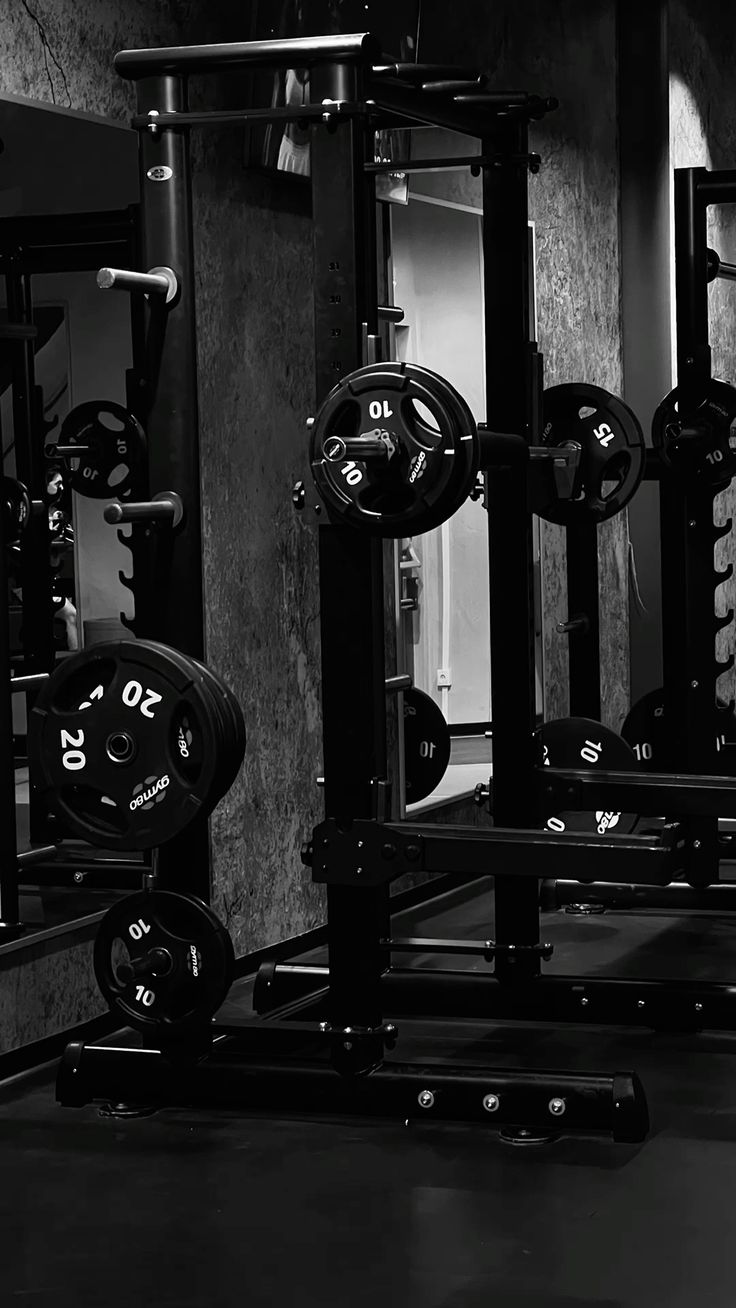
Now we're talking about a setup that can replace a gym membership permanently. The centerpiece here is a power rack (also called a squat rack or cage). A good rack with safety pins means you can squat heavy, bench heavy, and train alone without a spotter.
Full serious setup:
Power rack with pull-up bar attachment
Olympic barbell + 300-400 lbs of plates
Adjustable bench
Adjustable dumbbells (up to 90 lbs)
Cable pulley system (attaches to rack)
Rubber flooring (horse stall mats work great)
The cable pulley attachment is underrated. It gives you access to lat pulldowns, cable rows, tricep pushdowns, face pulls, and dozens of isolation movements that are hard to replicate with free weights alone.
What NOT to Buy
Skip the all-in-one machines. They look impressive but limit your range of motion and can't be loaded heavy enough for progressive overload. Skip the treadmill if you can walk or run outside. Skip the fancy mirrors with built-in screens. You don't need a subscription to do a bicep curl.
Also skip anything that folds up "for easy storage." If you have to set up and break down your equipment every session, you won't use it. Dedicate a space, even if it's a corner of your garage, and leave it set up.
The Space Question
You need less space than you think. A power rack footprint is roughly 4x4 feet. Add a bench length and some room to move, and you're looking at an 8x10 foot area for a complete setup. That's smaller than most single-car garages.
If you're in an apartment, adjustable dumbbells and a fold-flat bench can fit in a closet. Train in your living room. I've had clients do full programs in spaces smaller than their bathroom.
Buy Used, Buy Smart
Iron doesn't expire. A 45-lb plate from 1985 weighs the same as one manufactured yesterday. Check Facebook Marketplace, Craigslist, and garage sales. People buy home gym equipment with good intentions every January and sell it by March. Their loss is your gain.
The one thing I wouldn't buy used: an adjustable bench with a worn-out pad or wobbly frame. Safety equipment should be solid.
The Bottom Line
A home gym removes every logistical excuse. No commute, no waiting for equipment, no closing hours. The best gym is the one you'll actually use consistently. Start with what you can afford, train hard with it, and upgrade as your strength demands it.
If you need help designing a program that works with your specific equipment setup, that's exactly what our virtual training program is built for. We'll build your plan around what you have, not what you don't.